
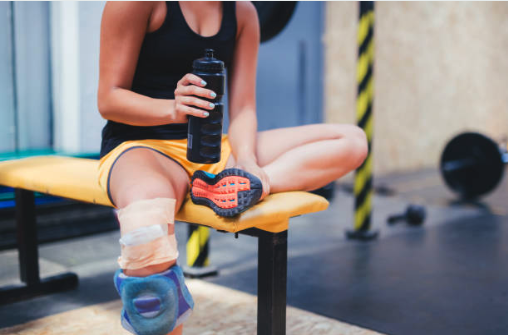
Very common injuries affecting the muscles, joints or ligaments sustained while playing sport. This can include acute injuries such as muscle/ligament sprains, tears or more severe injuries such as bony fractures and traumatic joint dislocation. We specialise in the assessment, treatment and overall management of sports specific concerns, working closely with sports physicians and orthopaedic surgeons and specialists to provide optimal sport medicine care.
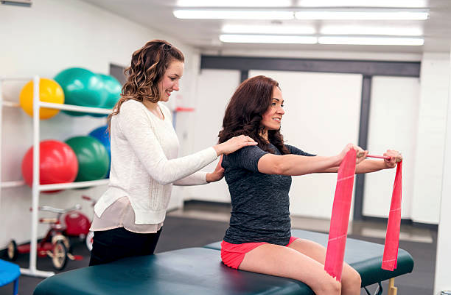
A patient awaiting surgical repair or reconstruction requires specialised management that is critical to enable and ensure optimal results post operation. This includes very specific detail to movement patterns, an ability to minimise potential risks or deficits evident post-op, and detailed guidance through the entire process of damage, repair, rehabilitation, and restoring quality of life.
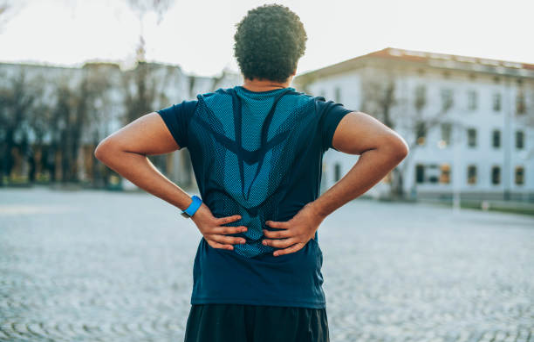
A musculoskeletal injury is an injury or disorder of muscles, tendons, ligaments, joints, nerves or related tissues including strains, sprains or inflammation. A common complaint is pain - whether it's 'achy', 'sharp' or 'sore'.
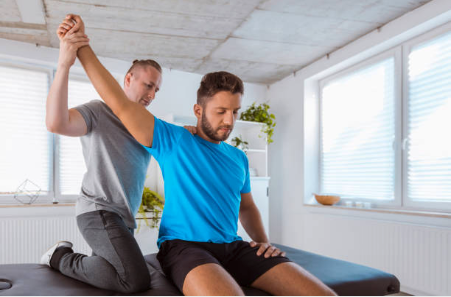
This most commonly refers to injury of the lower back or neck. You may experience severe pain and joint stiffness with limited movement and restricted function. In severe cases there is damage to the intervertebral disc causing nerve impingement leading to severe pain, pins and needles, and changes in sensation.
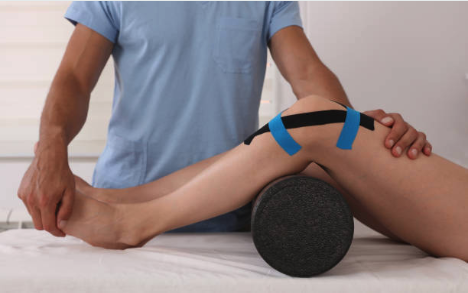
The assessment of the body through movement. Certain conditions arise due to muscle or joint imbalances through a prior injury, whether congenital or degenerative over time. A thorough assessment is integral to identifying the reasons behind a problem. Management may include re-education, stretching, strengthening, or specific bracing and orthotic support.
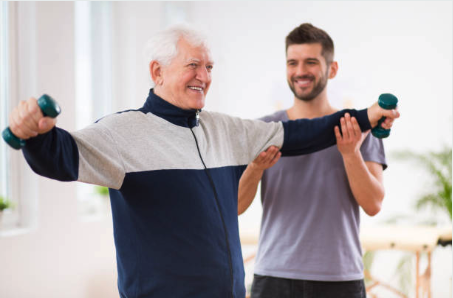
Exercise rehabilitation and prescription is a vital component of restoring function post-injury - often overlooked by patients with ongoing, recurrent 'niggling' concerns. Specific exercises, movements and loads are critical to engage the body in repair, safely eliminating deficits such as movement disorders, muscular imbalance, and joint dysfunction.
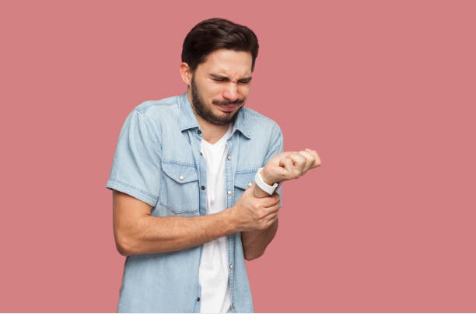
Treatment varies depending on the type of arthritis. The main goals are to reduce symptoms and improve quality of life. The most common form, osteoarthritis, generally affects weight-bearing joints - lower back, hip, knee - and is often found in older patients or those who have sustained severe multiple trauma throughout their joints.
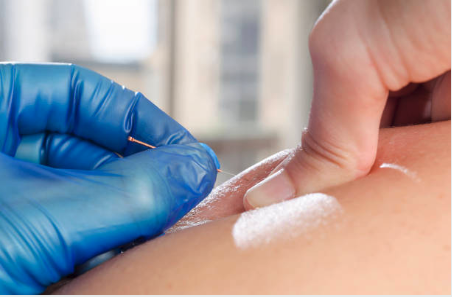
Acupuncture - insertion of a fine needle at a specific anatomical point - assists in muscle and tissue healing, and helps manage chronic pain or long-term injuries that haven't sufficiently recovered. Dry needling primarily targets trigger points to reduce muscular pain, stiffness or tightness, and is effective in treating myofascial pain.
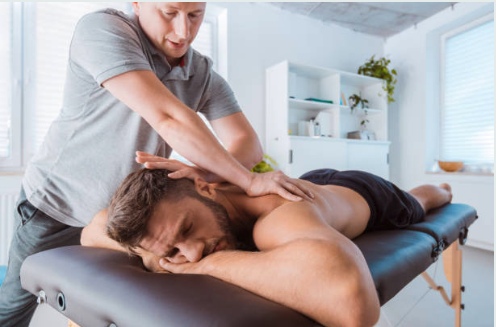
An effective way of minimising injury risk, reducing muscle tightness, and facilitating tissue repair. Techniques such as deep tissue, sports massage, trigger point therapy and Swedish massage are used for specific purposes, determined through assessment with the individual.
Looking for something specific? Find detailed information on common conditions we see.
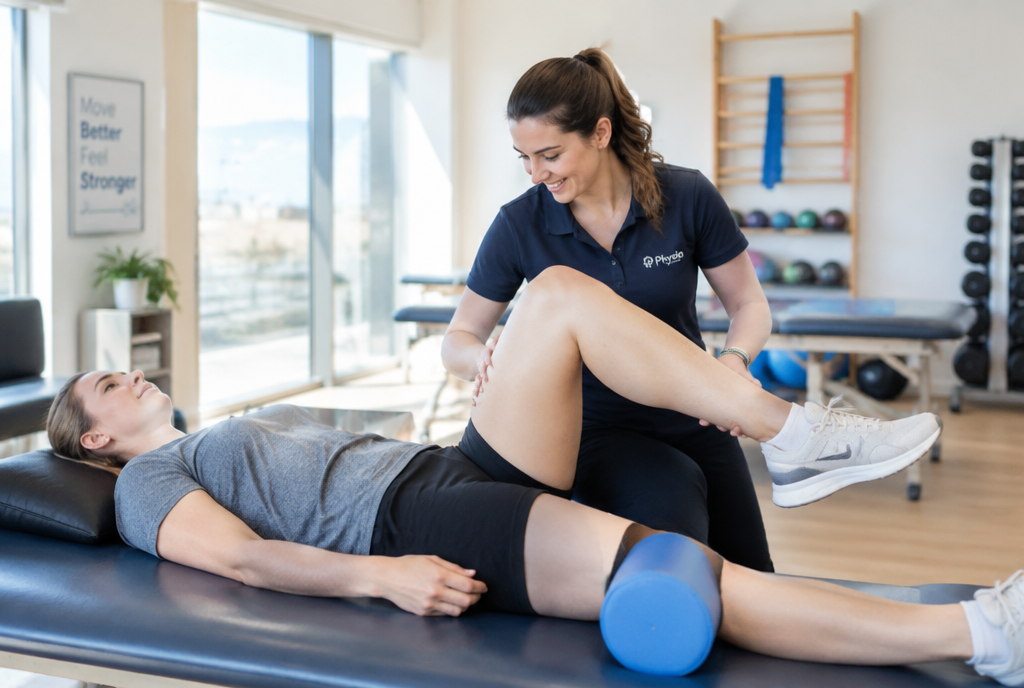
Ligament injury, meniscus damage, patellofemoral pain, and post-surgical knee rehabilitation.
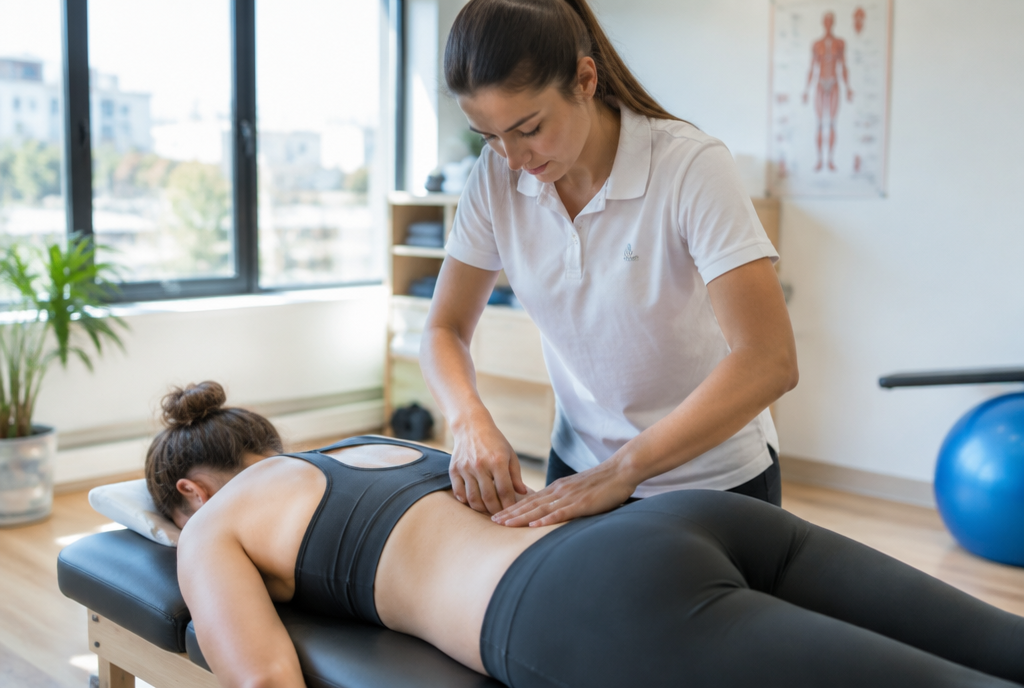
Lower back pain, disc injury, sciatica, and postural pain management.
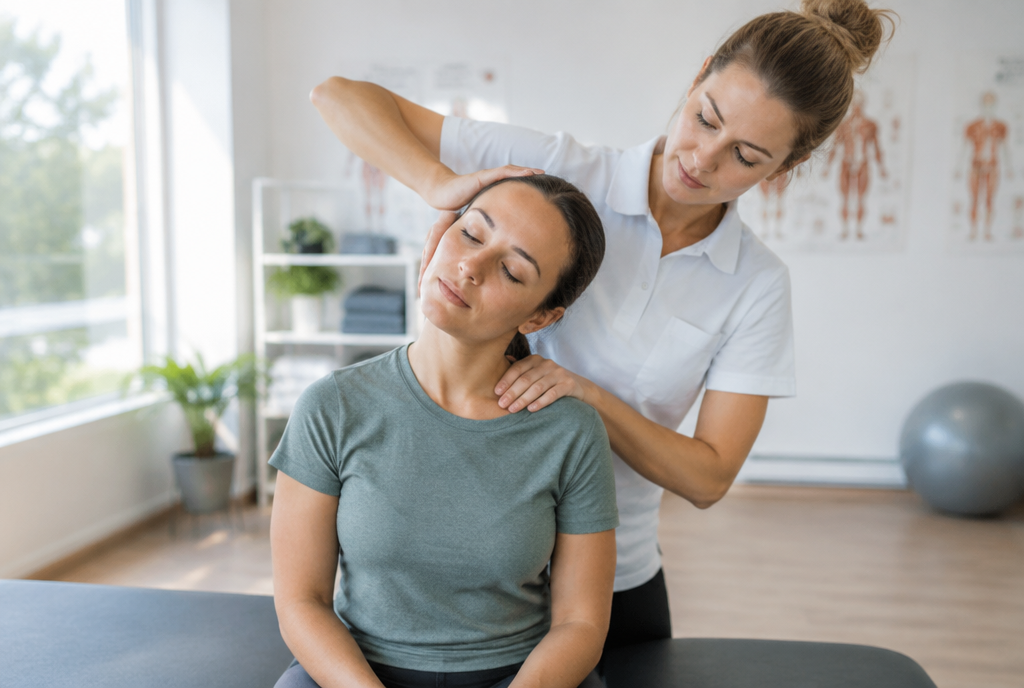
Neck stiffness, whiplash, postural pain, and headaches of neck origin.
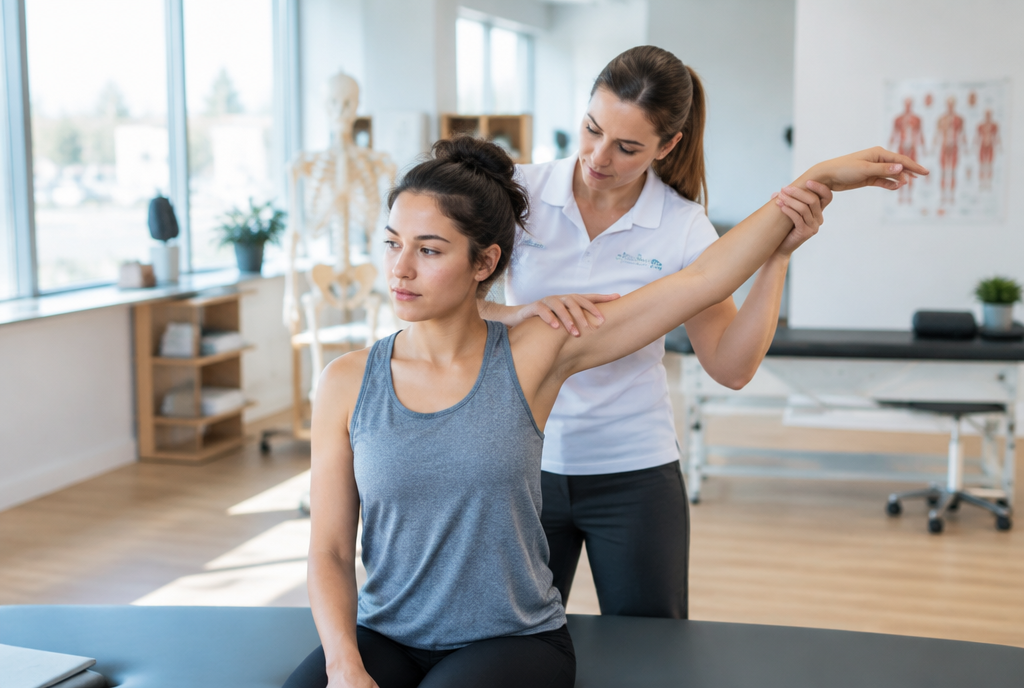
Rotator cuff injury, impingement, frozen shoulder, and shoulder instability.
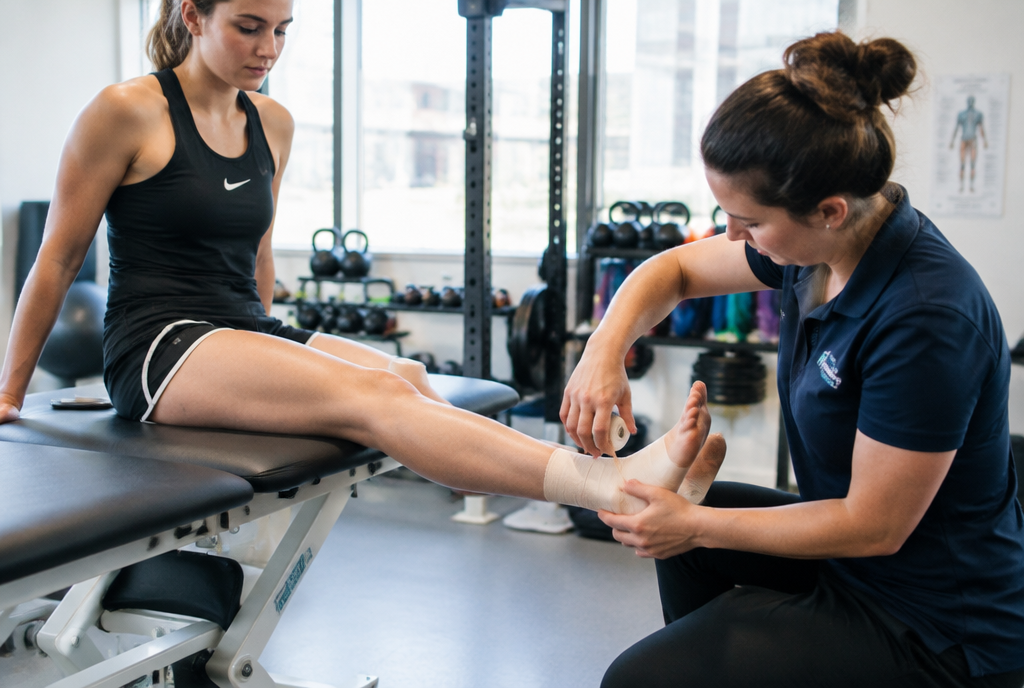
Sprains, strains, overuse injuries, and structured return-to-sport planning.
Structured recovery after joint replacement, ACL reconstruction, and orthopaedic surgery.